


Migration als Menschenrecht? – Ein Feldbericht aus drei Mercosur-Staaten in Südamerika
By Dr. Dorothea Biaback Anong und Zoé Perko
Ein Feldaufenthalt zur Erforschung der regionalen Personenfreizügigkeit in Mercosur
„… keine Person darf aufgrund ihres Migrationsstatus als illegal angesehen werden.“ (CSM, 2018)
Diese offizielle Erklärung – nicht von einer Menschenrechtsorganisation, sondern von staatlichen Vertreter*innen fast aller Staaten Südamerikas im Zuge einer Konferenz südamerikanischer Staaten zu Migration 2018 – zeigte uns schon vor Beginn unserer Forschungsreise, dass Migration in Südamerika ganz anders betrachtet wird als in Europa.
Um dem auf den Grund zu gehen, reisten wir Anfang November zuerst nach Argentinien, von dort aus nach Uruguay und schließlich nach Brasilien. Die drei Länder sind Teil des Wirtschaftsbündnisses Mercosur („Gemeinsamer Markt Südamerikas“), das seit Anfang der 2000er-Jahre den Bürger*innen unter anderem das Recht auf Aufenthalt in den Mitgliedstaaten verleiht. Zudem haben sie das Recht auf Nichtdiskriminierung im Ankunftsland, Tourist*innen eines Landes können 90 Tage die weiteren Länder bereisen und Grenzübertritte wurden für Mercosur-Bürger*innen vereinfacht.
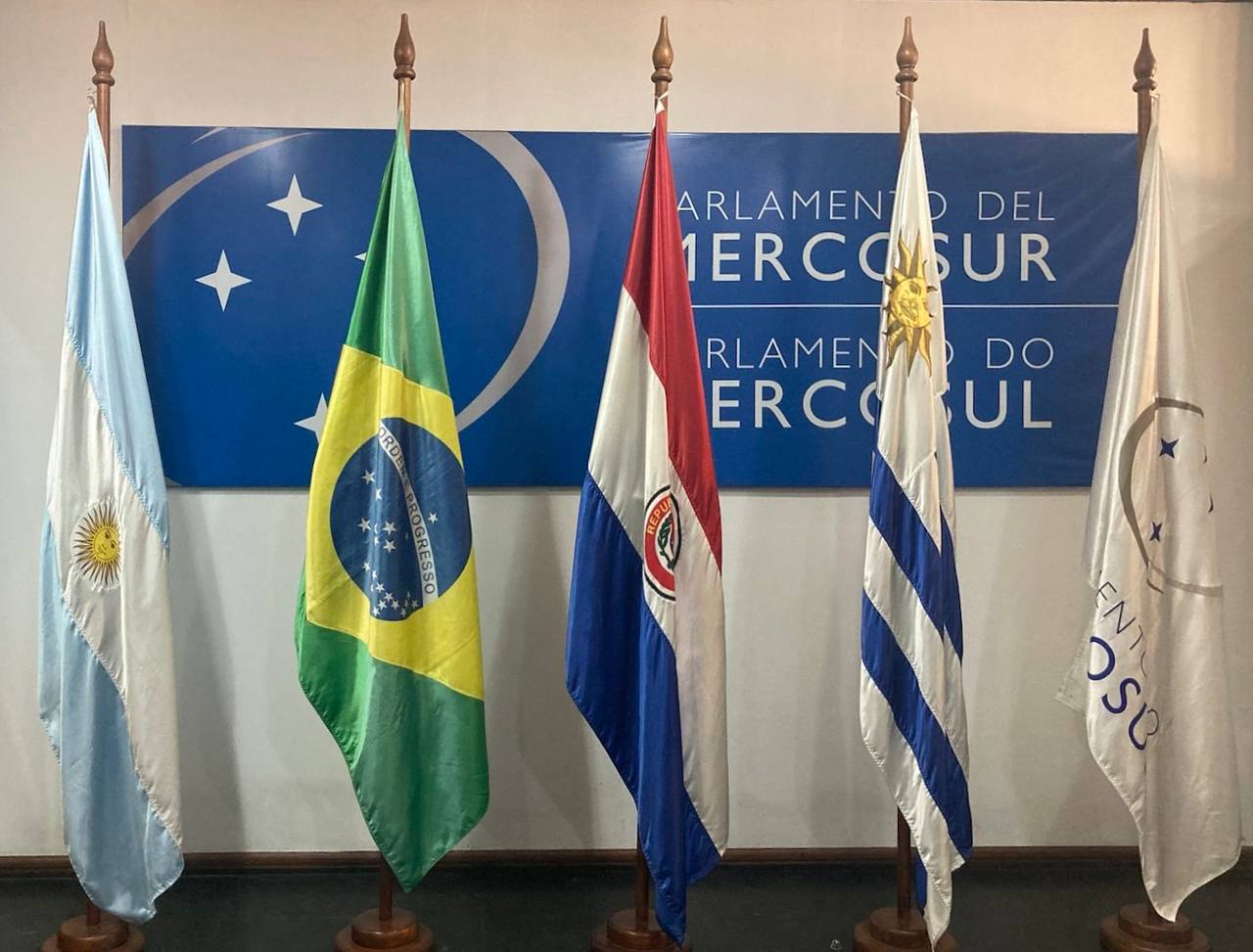

Durch diesen Prozess der sogenannten Makroterritorialisierung wird Migration nun auch auf makroregionaler Ebene verhandelt – beispielsweise durch gemeinsame Abkommen – und hat so einen starken Einfluss auf die Policy der einzelnen Mitgliedstaaten. Das Ergebnis der Verschiebung von Verantwortlichkeiten ist ein neues Zirkulationsregime mit eigenen Konflikten und Reibungen. Obwohl diese Neuordnungen für die alltagsweltlichen Probleme intraregionaler Migrant*innen maßgeblich sind, wurde sie bisher wenig erforscht – besonders fehlt Forschung aus komparativer Perspektive. Um diese Lücke zu schließen, führten wir während unseres Feldaufenthalts in Südamerika, als erste Fallstudie unseres Projektes, rund 30 Interviews mit den relevanten Akteur*innen aus regionalen und nationalen Institutionen und der Zivilgesellschaft, darunter Migrant*innenorganisationen sowie Ministerien und Behörden der Migrationskontrolle. Diese Fallstudie wird später um zwei weitere Fälle ergänzt (die Westafrikanische Wirtschaftsgemeinschaft (ECOWAS) und die Europäische Union (EU)).
Ein humanitärer Migrationsdiskurs, der sich in Grenzen hält: Argentinien
Am ersten Tag unseres Aufenthaltes in Buenos Aires landeten wir zufällig auf einem von der Stadt organisierten Straßenfest, das ausgerechnet Migration feierte. Eine der wichtigsten Alleen der Stadt, die Avenida de Mayo, war überflutet von spanischen und portugiesischen Flaggen, die Straße voll mit Essen und Gegenständen aus den jeweiligen Ländern und mit Ständen, an denen sich europäische Migrant*innen über ihre Rechte in Argentinien informieren konnten.
Wir selbst sind zwei europäische Forscherinnen, die im normalisierten Alltag des EU-Grenzregimes leben. Der humanitäre Diskurs in Mercosur in Bezug auf Migrant*innen, in dem immer wieder betont wird, dass Migration ein Menschenrecht sei und sich dies auch in den Policies wiederspiegelt, war für uns markant. Dies ist nicht zuletzt Teil der Aufarbeitung tragischer Militärdiktaturen, die verteilt auf dem ganzen Kontinent immer wieder zu geballten Migrationsbewegungen führten. Migration schien uns somit auf den ersten Blick universell zelebriert und nicht als Problem diskutiert zu werden – im Gegensatz zur EU, wo hauptsächlich spezifische Gruppierungen (Hochqualifizierte, europäische Migrant*innen, etc.) willkommen geheißen werden.

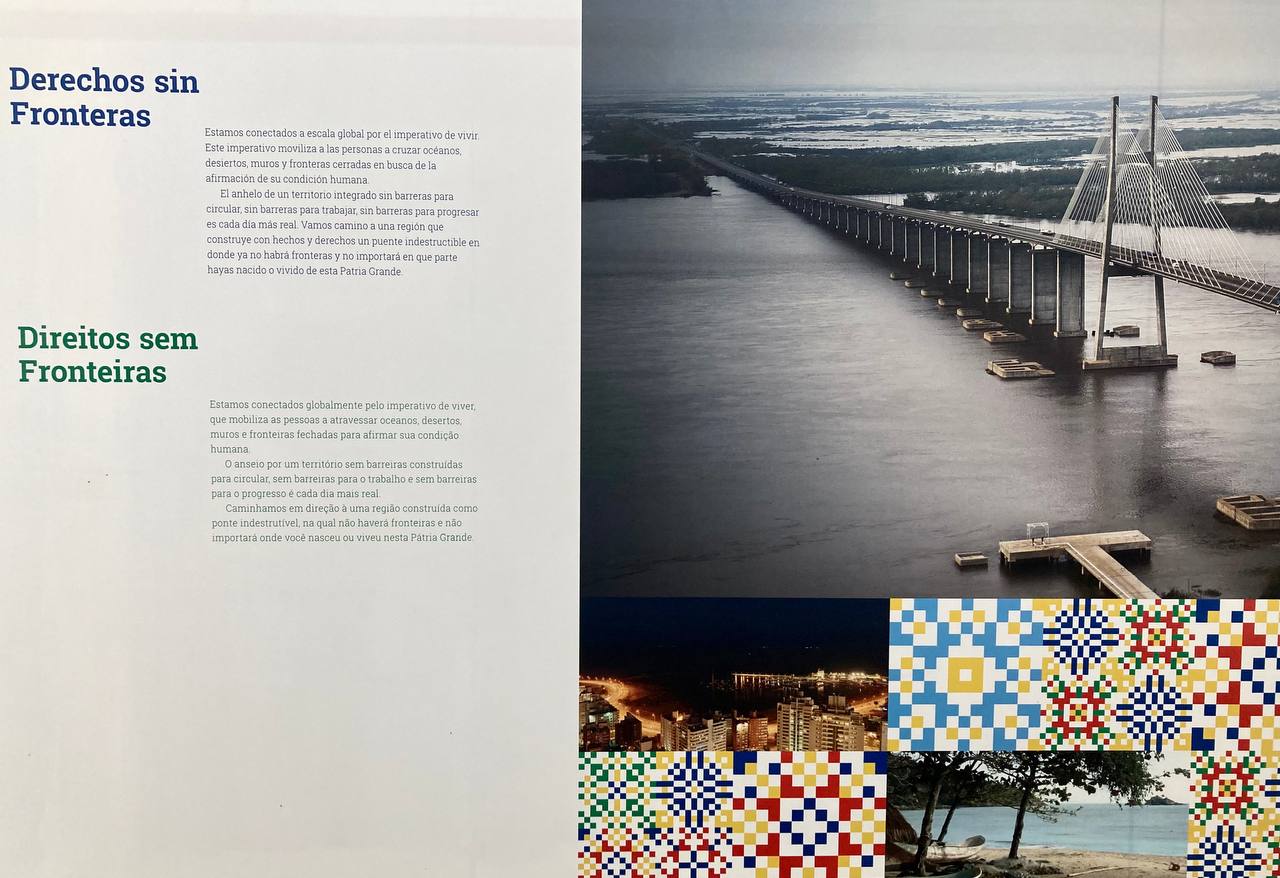
Auch wir durften diese willkommen heißende, offene Art am eigenen Leibe erfahren. Von Vertreter*innen der Institutionen wurden wir mit großer Herzlichkeit empfangen, erhielten immer einen Kuss auf die Wange zur Begrüßung und wurden für unser Spanisch komplimentiert. Auch an den Häuserfassaden ließen sich in der gesamten Stadt feministische und antikapitalistische Sprüche finden. Diese verliehen uns das Gefühl, dass wir uns an einem Ort befinden, an dem Menschenrechte einen überdurchschnittlich hohen Wert haben. Weiterhin bestätigten uns Expert*innen aus staatlichen Institutionen zwischen zwei Mate-Tassen-Refills dieses Gefühl, indem sie das Recht auf Migration und Argentinien als Vorreiter in solchen Fragen stets betont haben.
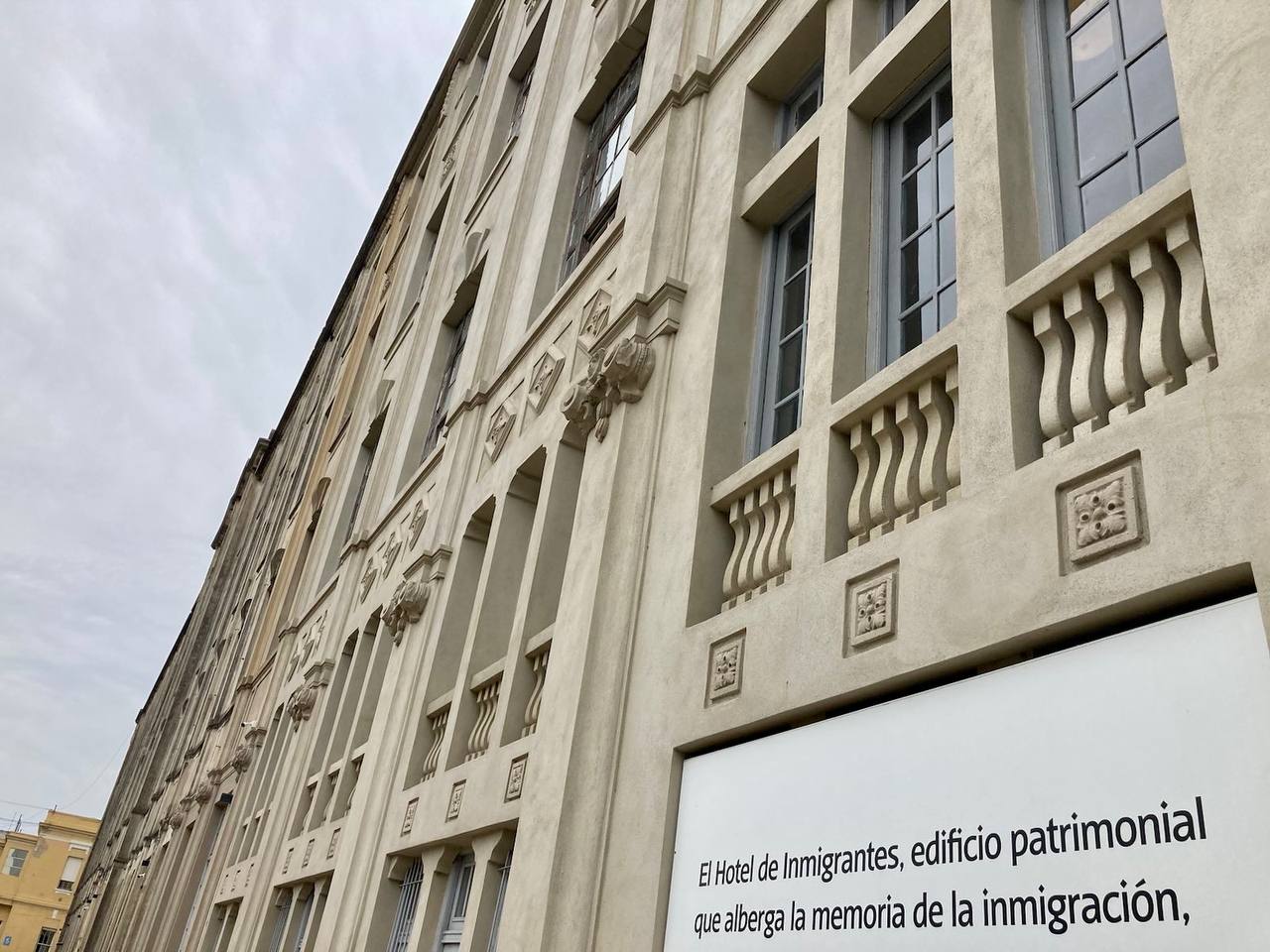
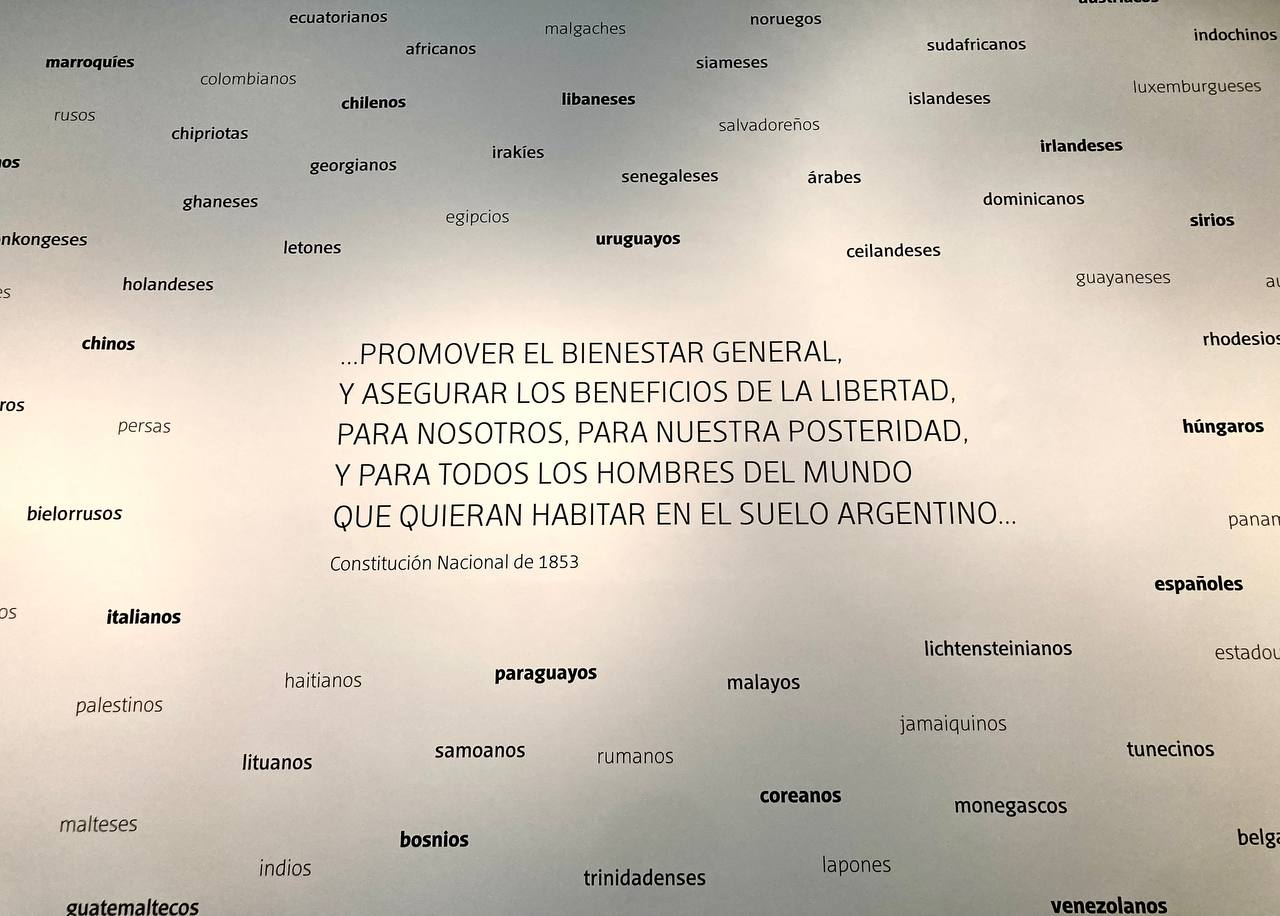
Doch spätestens als wir mit den ersten NGOs in Buenos Aires sprachen, wurde uns klar, dass wir uns vom dominanten Diskurs, der sich so sehr vom europäischen Sicherheitsdiskurs unterscheidet, haben blenden lassen. Beispielsweise erfuhren wir, dass auch Mercosur-Bürger*innen bei internen Grenzübertritten mit enormen Wartezeiten rechnen müssen, die vereinfachte Grenzkontrolle also bei weitem nicht optimal funktioniert. Die rosarote Brille fiel zudem, als uns die „Secretaría de trabajadorxs migrantes“ (UTEP), eine Selbstorganisation verschiedener migrantischer Communities, oder die „Comisión Argentina para Refugiados y Migrantes“ (CAREF) von Menschenrechtsverletzungen und der Nichteinhaltung von Gesetzen durch staatliche Akteur*innen berichteten. Sie erklärten uns, dass es eine enorme Diskrepanz zwischen Gesetzen und der tatsächlichen Praxis gäbe und sich somit Migrant*innen (vor allem POCs, indigene und trans*Personen) regelmäßig in prekären Situationen befänden, in denen ihre Rechte missachtet werden. Die Secretaría verlangt deswegen „menos festividades, más derechos!“ („weniger Festlichkeiten, mehr Rechte!“). Vor allem das Thema Rassismus an Grenzposten und im Ankunftsland, wovon hauptsächlich indigene Personen, Bolivianer*innen, Kolumbianer*innen und Personen aus der Karibik betroffen sind, scheint sehr präsent zu sein. Als Gegenbeispiel wurden wir auf der Straße als „blanquitas guapas“ („hübsche Weiße“) komplimentiert, was einen Einblick in die nationalen Dynamiken zuließ. In den Interviews kam zum Vorschein, dass Migration mit sehr starkem Bezug auf historisch europäische Migration und als Teil der Gründung der heutigen argentinischen (und uruguayischen) Gesellschaft gedacht wird. Migrant*innen aus Lateinamerika, die nach Einschätzung vieler Interviewpartner*innen circa 90% ausmachen, und Personen von außerhalb des Bündnisses werden dabei selten mitgedacht.
Diese Informationen und Beobachtungen waren eine Bestätigung von einem Artikel von Acosta und Freier (2015), der beschreibt, dass südamerikanische Staaten, im Gegensatz zu westlichen, einen liberalen Diskurs einer universellen Willkommenskultur für alle Migrant*innen vertreten („populistischer Liberalismus“), jedoch in der Praxis vermehrt Süd-Süd Zirkulation selektiv verhindert wird.

Das Positivbeispiel Uruguay und EU-Kritik
In Uruguay wiederum schien diese Diskrepanz zwischen Rechten und deren de facto Umsetzung weniger markant zu sein. Eine Person aus dem Innenministerium und Teilnehmende aus dem „Foro Especializado Migratorio“ (FEM) betonten, dass sie in ihrer Institution Migration als Bereicherung wahrnehmen und zum Beispiel Migration aus Kuba, die den bedeutendsten Teil in Bezug auf die Anzahl ankommender Personen darstellt, die sonst verklemmte uruguayische Kultur auflockern würde. So würde man sich durch die karibische Migration nicht mehr immer nur schwarz kleiden, sondern (sogar im Winter) farbig und würde fröhlichere Musik hören, beispielsweise Bachata: „Am Anfang verursachten sie ein wenig Lärm, aber jetzt ist es, als wäre es Teil der Einheit“. Diese Mentalität hätte auch mit der Migrationsgeschichte des Landes zu tun: Quasi alle Uruguayer*innen hätten nämlich migrantische Vorfahren, hauptsächlich aus Spanien und Italien. Auch die NGOs lobten das System in Uruguay, was als einziges Land von Mercosur direkt einen Aufenthalt erlaubt, ohne zweijährige temporäre Erlaubnis. Man müsse „mit der Lupe schauen“, um in Uruguay eine Nichteinhaltung des Rechts auf Migration zu finden. Ein Policy Advisor aus dem „Parlasur“ (Mercosur-Parlament) war zudem der Meinung, dass es so leicht wäre, in Uruguay einen legalen Aufenthalt zu bekommen, dass „wenn man sich nicht legal aufhält, heißt es, dass man es wirklich nicht möchte“.
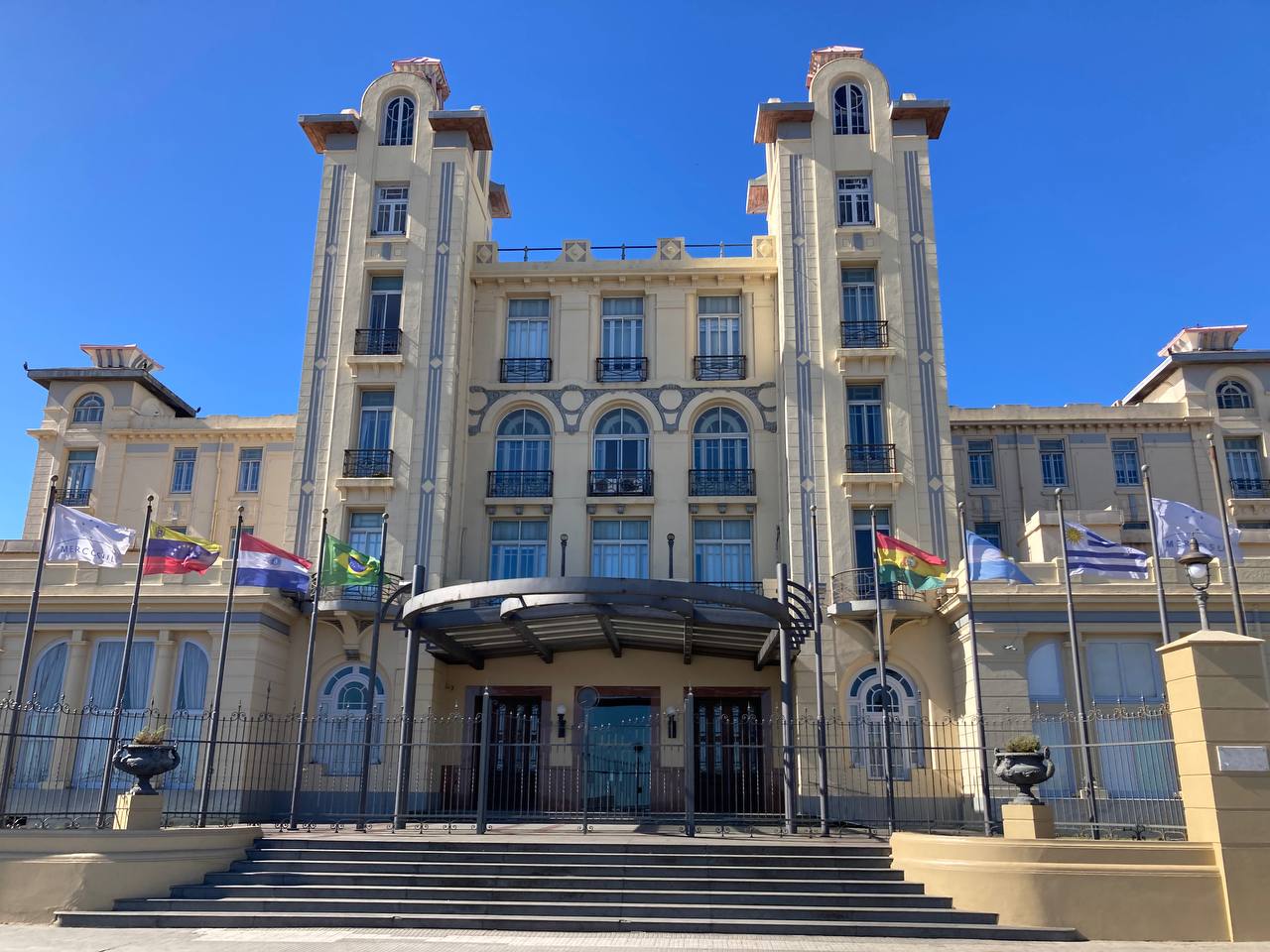

Die Person aus dem Innenministerium wünschte sich sogar eine Ausweitung der Mercosur-Freizügigkeit nach europäischem Vorbild, da im „Acuerdo de Residencia“ kein eigentliches Recht auf Einreise enthalten ist. In der Praxis bedeutet das, dass ein*e Mercosur-Bürger*in entweder für 90 Tage als Tourist*in einreisen darf oder mit der Absicht, eine Aufenthaltserlaubnis zu erhalten. Dass dieses Recht nicht enthalten ist, wirkt für die eine oder andere Person aus Europa teilweise kontraintuitiv und auch wir mussten uns mit unserem eigenen Eurozentrismus auseinandersetzen: Für uns schien nämlich eine Personenfreizügigkeit, ohne das spezifische Recht auf Einreise (sondern nur Aufenthalt und Niederlassung), im Vergleich zur Europäischen Union unvollständig zu sein. Die Tatsache, dass sich eine Person aus einer Mercosur-Institution eine Personenfreizügigkeit „à la Schengen“ wünscht, heißt jedoch nicht, dass das Schengen-Regime in Mercosur grundsätzlich als Vorbild gilt. In anderen Aussagen wird das Schengener Abkommen teilweise aufgrund seiner inhumanen Natur verurteilt (CAREF) und explizit herausgestellt, dass die Europäische Union der Politik nie als Vorbild diene (anonym, aus argentinischer Regierungsinstitution). Trotz des nicht vorhandenen Rechts auf Einreise könne man in Mercosur von Personenfreizügigkeit sprechen. Es sei eine andere Art von Freizügigkeit, jedoch keine unvollständige. Die Perspektive von Mercosur auf die EU scheint vielseitig zu sein und die EU kann somit nicht immer als Vorbild für andere Regionen gedeutet werden – oft eine grundlegende Annahme im Feld des komparativen Regionalismus. Diese komplexe Perspektive soll im Laufe unserer Analyse deutlicher herausgearbeitet werden.
Brasilien: Einreise ohne Kontrolle, Aufnahme ohne Integration?

Brasilien stellte sich ebenfalls als „fortschrittlichstes“ Land von Mercosur in Sachen Migrant*innenrechte dar, weil es über ein sehr liberales Visaregime verfügt. Zudem werden durch die „Operação Acolhida“ (Übersetzung etwa „Operation Aufnahme“) an der Grenze zu Venezuela Geflüchtete aufgenommen, die dort medizinische Versorgung, notwendige Dokumente und einen Arbeitsplatz in Brasilien erhalten. Dies scheint laut dem Interview mit der Polizei Brasiliens, die für Migration und Grenzübergänge zuständig ist, einerseits aufgrund des humanistischen Migrationsdiskurses der Fall zu sein. Hinzu komme jedoch andererseits, dass die geographischen und physischen Gegebenheiten an den lateinamerikanischen Innengrenzen die Orte so schwierig erschließbar machen, dass Menschen nie wirklich aufzuhalten wären. Eine reguläre Einreise ermöglicht es dem Staat dennoch, Wissen darüber zu haben, wer sich auf dem Territorium befindet, und somit an der eigenen Souveränität festzuhalten.
Auch hier hatten wir, mit der impliziten Schablone europäischer Migrationsregime im Kopf, ein Überraschungsmoment: ein*e Vertreter*in der Polizei, deren Job-Beschreibung die Kontrolle von Grenzen und Einreise ist, meinte, dass effektive Migrationskontrolle nur über die Legalisierung des Aufenthalts von Migranten*innen möglich sei, und nicht über Einreisekontrolle. Mehr noch: Grenzkontrollen seien nicht dazu da zu entscheiden, wer einreisen darf und wer nicht (ein klassischer Teil der Definition staatlicher Souveränität), sondern um Wissen darüber zu erlangen, wer sich im Land aufhält: „Es geht mehr darum, Informationen darüber zu haben, wer die Grenze überschreitet. In der Vergangenheit waren wir sehr um Sicherheit besorgt, aber wir haben gesehen, dass es keinen Sinn macht, sich so viele Sorgen zu machen, denn die Geographie und die Geopolitik in der Region machen Grenzen nicht kontrollierbar. Es ist nur eine Frage des Wissens.“ Diese Form von Kontrolle war für uns eine große Überraschung, vor allem, weil sie im Vergleich zur Handhabung in der Europäischen Union Migrant*innen eher zugutekommen kann.

Jedoch gibt es auch in Brasilien eine deutliche Unterscheidung zwischen Gesetzen und deren Umsetzung. So berichtete beispielsweise das „Instituto De Migrações E Direitos Humanos“ (IMDH), dass es in Brasilien üblich ist zu sagen, „Brasilien empfängt, aber heißt nicht willkommen“. So würden Migrant*innen, auch wenn sie nur circa 0,5% der Bevölkerung ausmachen, bei der Ankunft in Brasilien vor großen Schwierigkeiten stehen, vor allem beim Zugang zu Arbeit. Auch eine Person aus einer Regierungsinstitution, die anonym bleiben möchte, bestätigte dies und berichtete von Rassismusproblemen in den Behörden.
Zusammenfassende Gedanken und raumtheoretische Überlegungen
Der Feldaufenthalt und die Interviews machten somit deutlich, dass die Mercosur-Mitgliedsstaaten in ihren Migrationsgesetzgebungen einen ausgeprägt humanitären Ansatz verfolgen. Das Verhältnis von makroregionalem und nationalem Kontext ist dabei jedoch komplex: regionale, bindende Entscheidungen (wie beispielsweise das Abkommen zu Aufenthalt) setzen einerseits Mindestmaßstäbe für Nationalstaaten. Andererseits sehen viele Akteur*innen den humanitären Ansatz in der südamerikanischen Migrationspolitik eher als einen „bottom-up“ Prozess von progressiven nationalen Institutionen mit eigenen Gesetzen und Praxen und der Zivilgesellschaft, die dann die makroregionale Ebene beeinflussen.
Die Umsetzung dieser humanitären Vision und der Gesetze stoßen zudem oft an ihre Grenzen. Dieses komplexe Zusammenspiel zwischen nationalem und makroregionalem Kontext durch die Refiguration der Grenzen und Territorien hat einen markanten Einfluss auf die Erfahrungen von Migrant*innen, ihren Zugang zu Territorien und Rechten. Betrachtet man die Makroterritorialisierung in Hinblick auf das raumtheoretische Konzept der multiple spatialities , so lässt sich sagen, dass sie es vielen Menschen gestattet, mobiler zu sein, allerdings in verschiedenen Territorialräumen in ganz unterschiedlichem Ausmaß und in unterschiedlicher Form – beispielsweise je nach Nationalstaat im Bündnis Mercosur, obwohl die gleichen makroregionalen Abkommen gelten. Somit kann die Entwicklung nicht als Fortschritt ohne Rückschritte verstanden werden, sondern teilweise auch als gegenläufiger Prozess. Dies zeigte sich besonders durch den Kontrast zwischen Uruguay und Argentinien. Dieser zeigt auf, dass zwar beide Mitgliedstaaten die gleiche Vision vertreten, deren Umsetzung aber unterschiedlich aussieht und teilweise gegenläufig sein kann – beispielsweise in Form von restriktiven Praktiken.
Nach der Analyse des gesammelten Materials stehen nun zwei weitere Forschungsaufenthalte an: Die Westafrikanische Wirtschaftsgemeinschaft (ECOWAS) und die Europäische Union. Solche vergleichenden Analysen werden in der Regionalismusforschung selten gemacht, ohne die Europäische Union als Vorbild zu nehmen. Wir möchten diese Perspektive umdrehen, und anhand zweier nicht-europäischer Regionen später das Schengenregime untersuchen.
Autor*inneninformation: Zoé Perko (zoe.perko@hu-berlin.de) und Dorothea Biaback Anong (dorothea.biaback.anong@hu-berlin.de) sind wissenschaftliche Mitarbeiterinnen an der Humboldt Universität zu Berlin. Sie forschen im SFB-Teilprojekt „C01: Die Grenzen der Welt II: Konflikte und Spannungen makroterritorialer Grenzbildung“ zu Grenz- und Migrationsregimen in regionalen Integrationsbündnissen und zu dabei auftretenden Konflikten und selektiver Migrationsgovernance.
Acosta Arcarazo, D., & Freier, L. F. (2015). Turning the Immigration Policy Paradox Upside Down? Populist Liberalism and Discursive Gaps in South America. International Migration Review, 49(3).
CSM. (2018). Declaración de Sucre: Ciudadanía Suramericana: nueva cultura de libre movilidad humana hacia la Ciudadanía Universal (Conferencia Suramericana sobre Migraciones, Issue.